Welcome to the official website of Guanghui Cable Co., Ltd.!
language


Contact Us
Address:
No. 8 Sima Huilong Street, Ningjin, Xingtai City, Hebei Province, China
Phone:
WhatsApp:
Email:
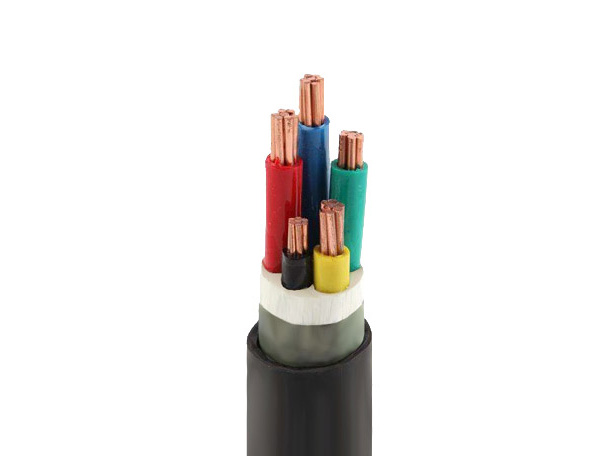
Cross‑linked polyethylene insulated power cables not only exhibit excellent electrical, mechanical, heat‑aging, environmental stress‑crack resistance, and chemical‑corrosion‑resistance properties, but also offer advantages such as a simple structure, ease of installation, freedom from installation‑elevation‑difference constraints, high long‑term operating temperatures (90°C), and large transmission capacity. Our cross‑linked polyethylene insulated power cable product line includes both flame‑retardant and non‑flame‑retardant variants.
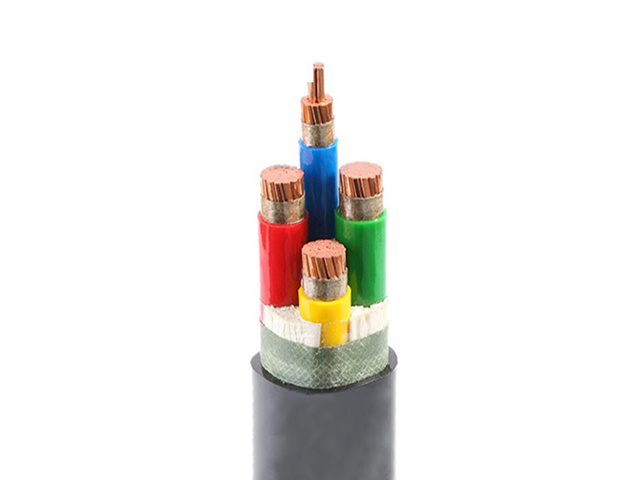
Cross-linked polyethylene insulated power cables not only exhibit excellent electrical, mechanical, and heat‑aging properties, as well as superior resistance to environmental stress and chemical corrosion, but also offer advantages such as a simple structure, ease of installation, freedom from installation‑height‑difference constraints, high long‑term operating temperatures (90°C), and large transmission capacity. Our cross‑linked polyethylene insulated power cable product line includes both flame‑retardant and non‑flame‑retardant variants.
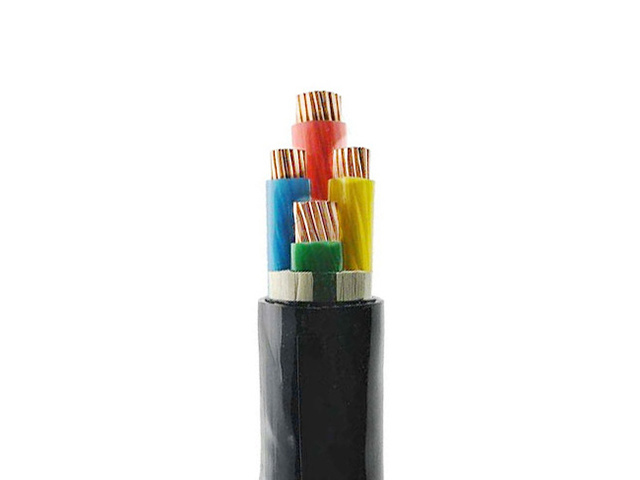
Cross-linked polyethylene‑insulated power cables not only exhibit excellent electrical, mechanical, and heat‑aging properties, as well as superior resistance to environmental stress and chemical corrosion, but also offer advantages such as a simple structure, ease of installation, freedom from installation‑height‑difference constraints, high long‑term operating temperatures (90°C), and large transmission capacity. Our cross‑linked polyethylene‑insulated power cable product line includes both flame‑retardant and non‑flame‑retardant variants.
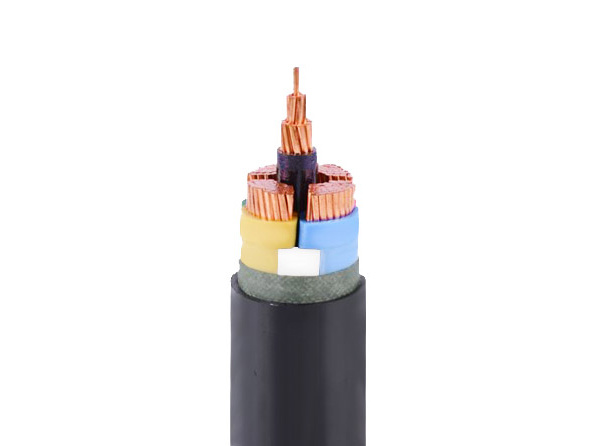
Cross‑linked polyethylene insulated power cables not only exhibit excellent electrical, mechanical, heat‑aging, environmental stress‑crack resistance, and chemical‑corrosion‑resistance properties, but also offer advantages such as a simple structure, ease of installation, freedom from installation‑elevation‑difference constraints, high long‑term operating temperatures (90°C), and large transmission capacity. Our cross‑linked polyethylene insulated power cable product line includes both flame‑retardant and non‑flame‑retardant variants.
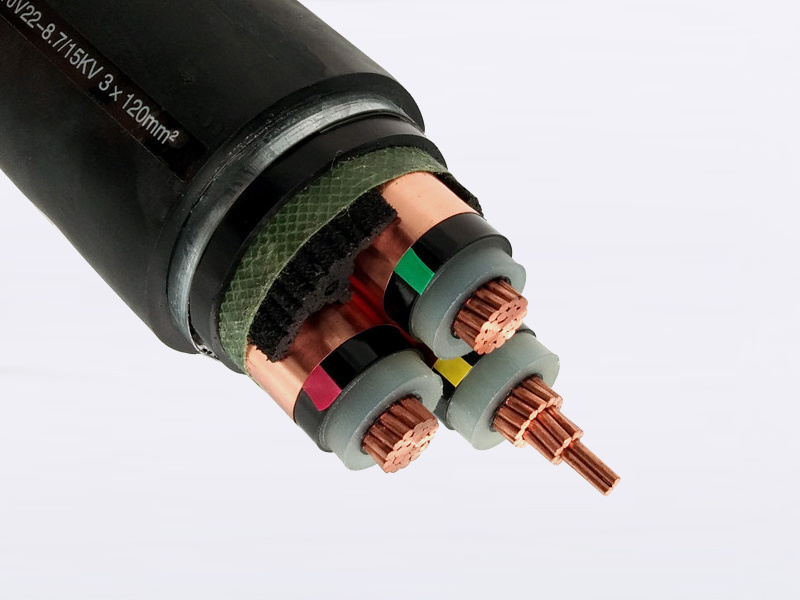
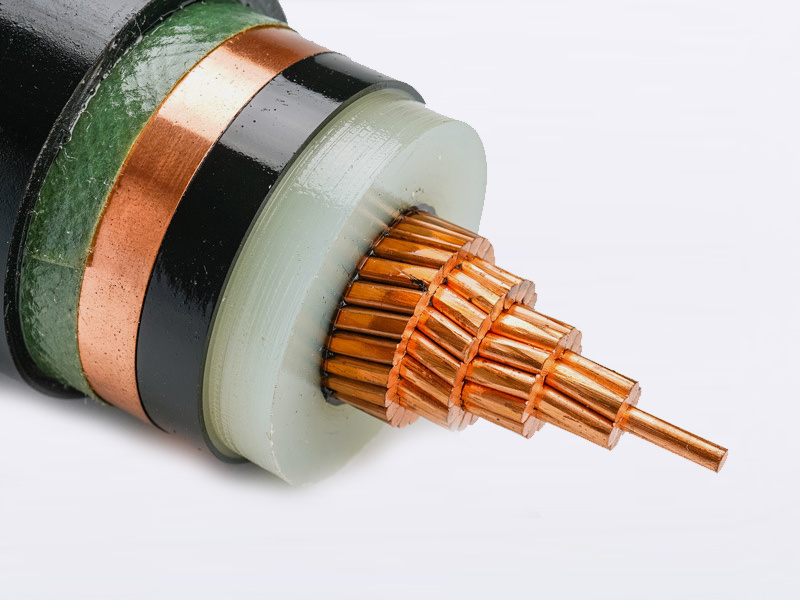
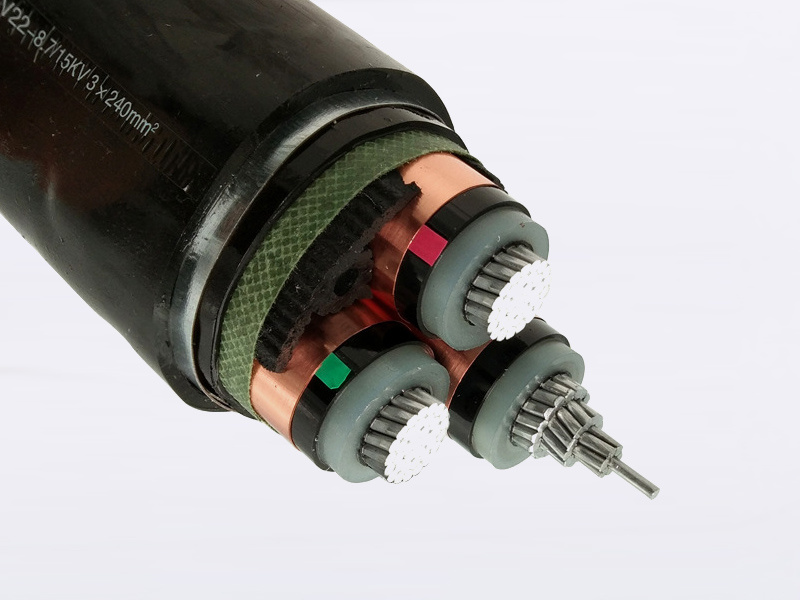
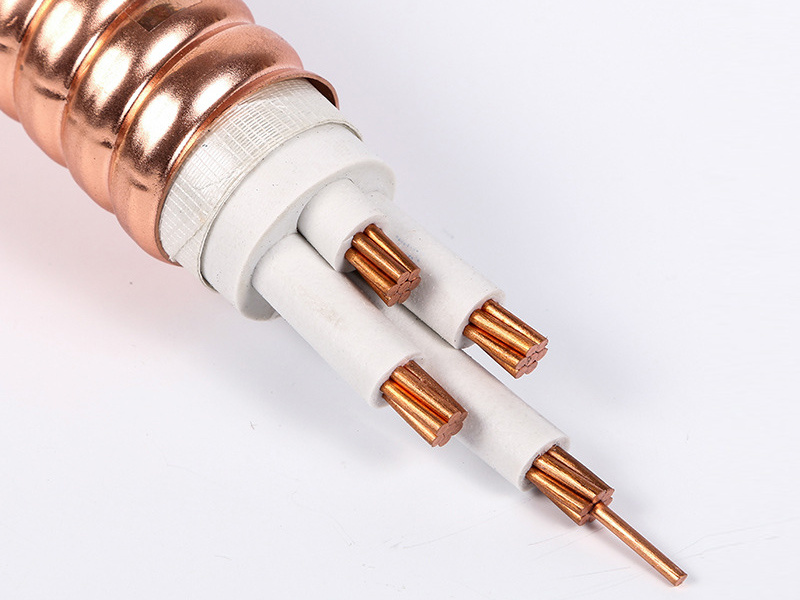
This standard is primarily based on GB/T 12706.1-2020, “Extruded Insulated Power Cables and Accessories for Rated Voltages from 1 kV (Um = 1.2 kV) to 35 kV (Um = 40.5 kV)—Part 1: Cables for Rated Voltages of 1 kV (Um = 1.2 kV) and 3 kV (Um = 3.6 kV),” as well as GB/T 19666-2019, “General Requirements for Flame‑Retardant and Fire‑Resistant Wires and Cables,” among other relevant standards. This product is intended for critical electrical engineering applications, including hazardous areas such as airports, oil depots, liquefied gas stations, chemical plants, coal mines, (nuclear) power stations, steel mills, and shipbuilding facilities; advanced and essential public infrastructure, such as satellite earth stations, railway wiring systems, alarm systems, and fire‑protection systems; and environments where the safety of persons and property must be ensured, including historic buildings, hotels and guesthouses, high‑rise structures, museums, libraries, banks, hospitals, insurance institutions, shopping malls, and research institutes.
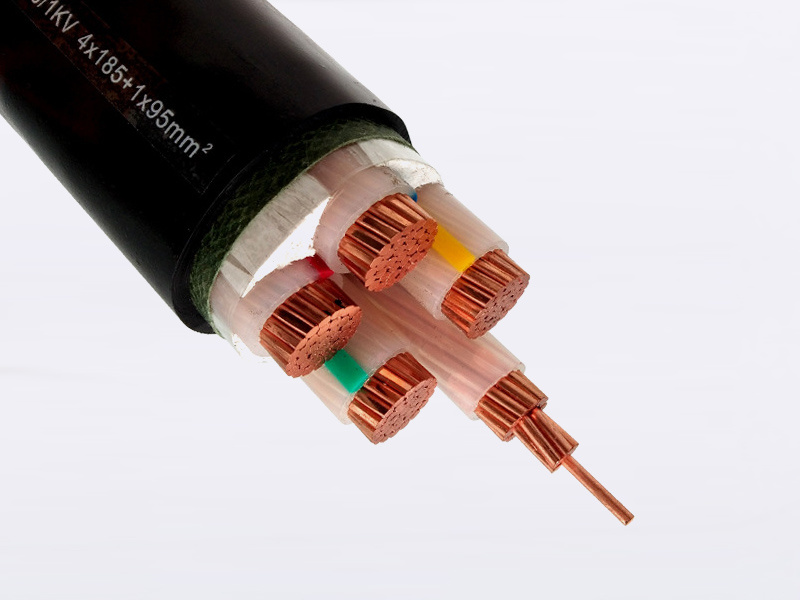
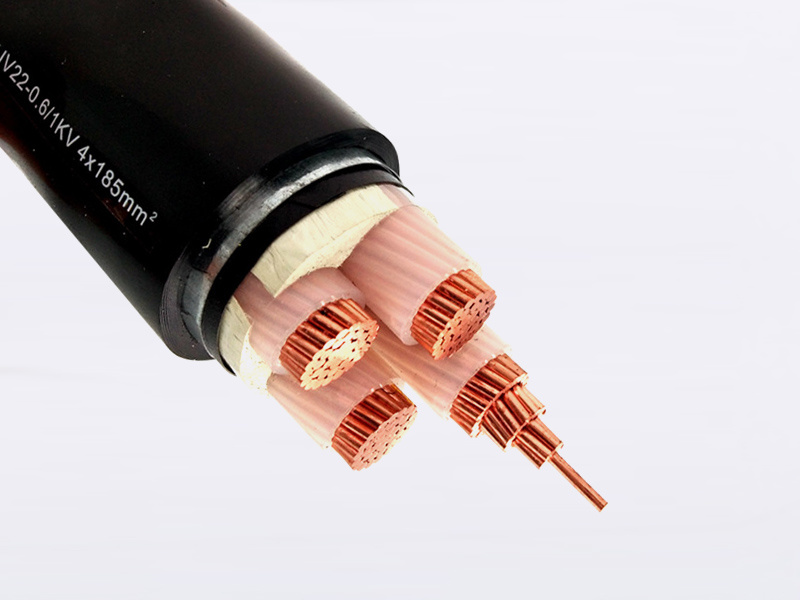

Power cables are used for transmitting and distributing electrical energy. They are commonly employed in urban underground power grids, as outgoing lines from power plants, and for internal power supply within industrial and mining enterprises. As cable products designed to transmit and distribute high‑power electricity along the main transmission lines of power systems, power cables encompass a wide range of voltage levels—from 1 kV up to 500 kV and beyond—along with various insulation types.

Power cables are used for transmitting and distributing electrical energy. They are commonly employed in urban underground power grids, outgoing lines from power plants, and internal power supply systems in industrial and mining enterprises. As cable products designed to transmit and distribute high‑power electricity along the main transmission lines of power systems, they encompass a wide range of voltage levels—from 1 kV up to 500 kV and above—along with various insulation types.

Power cables are used for transmitting and distributing electrical energy. They are commonly employed in urban underground power grids, outgoing lines from power plants, and internal power supply systems in industrial and mining enterprises. As cable products designed to transmit and distribute high‑power electricity along the main transmission lines of power systems, power cables encompass a wide range of voltage levels—from 1 kV to 500 kV and above—along with various insulation types.

Photovoltaic cable is an electron-beam cross-linked cable with a rated temperature of 120°C. The radiation-crosslinked material exhibits high mechanical strength.

Made from imported, environmentally friendly cross-linked polyolefin, this cable boasts exceptional flexibility, resistance to cracking, and excellent flame-retardant properties—non‑combustible, with low smoke levels approaching zero and no toxic fumes—making it a premium choice for residential wiring.

Made from imported, environmentally friendly cross-linked polyolefin, this cable boasts exceptional flexibility, resistance to cracking, and excellent flame-retardant properties—non‑combustible, with low smoke levels approaching zero and no toxic fumes—making it a premium choice for residential wiring.

NH-BV copper-core PVC-insulated fire-resistant wire
Fire‑resistant cables are designed to maintain operation for a specified period under flame‑exposure conditions, thereby preserving circuit integrity; this type of cable retains its ability to supply power for a certain duration in a fire. Fire‑resistant cables can continue to function—carrying current and transmitting signals—during a fire, regardless of whether they self‑extinguish. In contrast, flame‑retardant cables cease operation rapidly when exposed to fire, with their primary function being to resist ignition and prevent the spread of flames, achieving self‑extinction. Fire‑resistant cables can sustain normal operation for 180 minutes when subjected to a flame at 750–800°C.

Ordinary insulated wire—household electrical cable—is the most commonly used type. Taking a 100-square-meter new home as an example: 200 meters of 4‑square‑millimeter copper‑core BV wire, 400 meters of 2.5‑square‑millimeter wire, 300 meters of 1.5‑square‑millimeter wire, and 100 meters of 1.5‑square‑millimeter two‑color copper‑core BV wire. The above figures assume no suspended ceiling; if you install a ceiling, you’ll need slightly more 1.5‑square‑millimeter wire.
Contact Us
Ready to get in touch?
Let us walk you through our products in greater detail.
We welcome factory visits anytime.


