Welcome to the official website of Guanghui Cable Co., Ltd.!
language


Contact Us
Address:
No. 8 Sima Huilong Street, Ningjin, Xingtai City, Hebei Province, China
Phone:
WhatsApp:
Email:
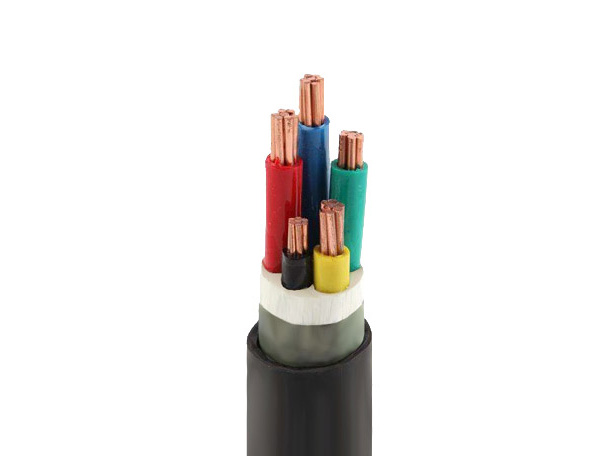
Cross‑linked polyethylene insulated power cables not only exhibit excellent electrical, mechanical, heat‑aging, environmental stress‑crack resistance, and chemical‑corrosion‑resistance properties, but also offer advantages such as a simple structure, ease of installation, freedom from installation‑elevation‑difference constraints, high long‑term operating temperatures (90°C), and large transmission capacity. Our cross‑linked polyethylene insulated power cable product line includes both flame‑retardant and non‑flame‑retardant variants.
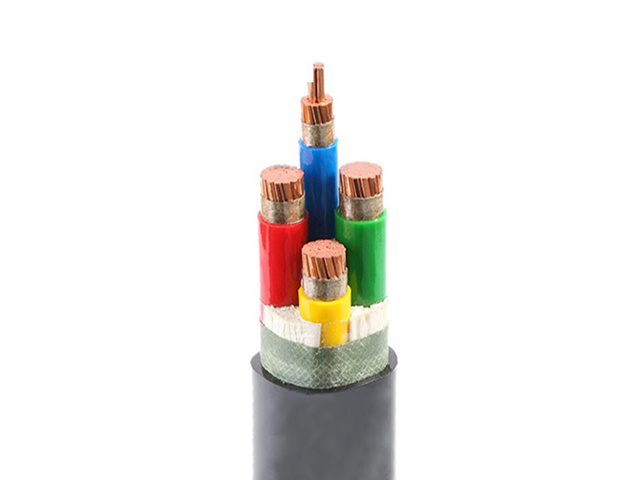
Cross-linked polyethylene insulated power cables not only exhibit excellent electrical, mechanical, and heat‑aging properties, as well as superior resistance to environmental stress and chemical corrosion, but also offer advantages such as a simple structure, ease of installation, freedom from installation‑height‑difference constraints, high long‑term operating temperatures (90°C), and large transmission capacity. Our cross‑linked polyethylene insulated power cable product line includes both flame‑retardant and non‑flame‑retardant variants.
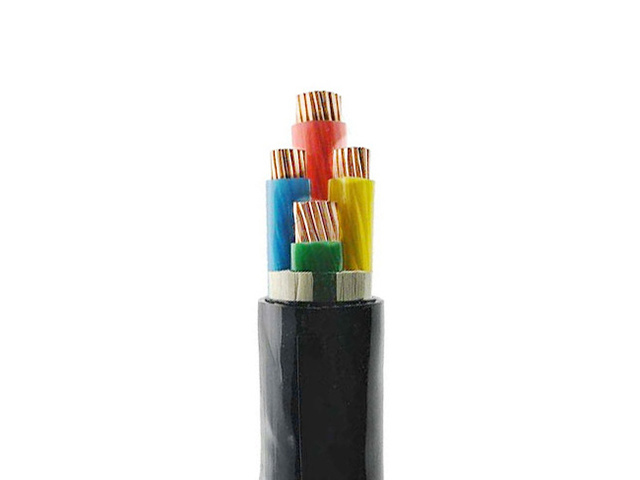
Cross-linked polyethylene‑insulated power cables not only exhibit excellent electrical, mechanical, and heat‑aging properties, as well as superior resistance to environmental stress and chemical corrosion, but also offer advantages such as a simple structure, ease of installation, freedom from installation‑height‑difference constraints, high long‑term operating temperatures (90°C), and large transmission capacity. Our cross‑linked polyethylene‑insulated power cable product line includes both flame‑retardant and non‑flame‑retardant variants.
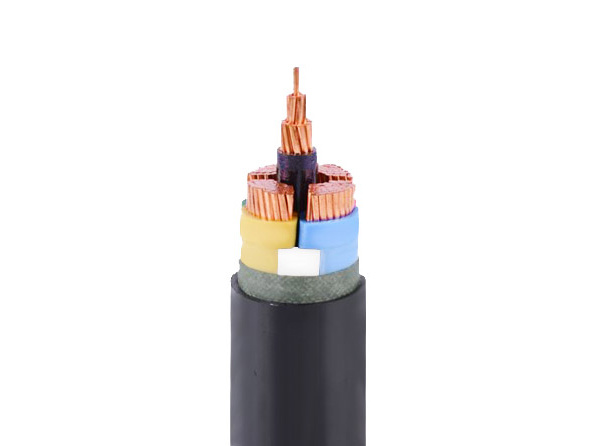
Cross‑linked polyethylene insulated power cables not only exhibit excellent electrical, mechanical, heat‑aging, environmental stress‑crack resistance, and chemical‑corrosion‑resistance properties, but also offer advantages such as a simple structure, ease of installation, freedom from installation‑elevation‑difference constraints, high long‑term operating temperatures (90°C), and large transmission capacity. Our cross‑linked polyethylene insulated power cable product line includes both flame‑retardant and non‑flame‑retardant variants.
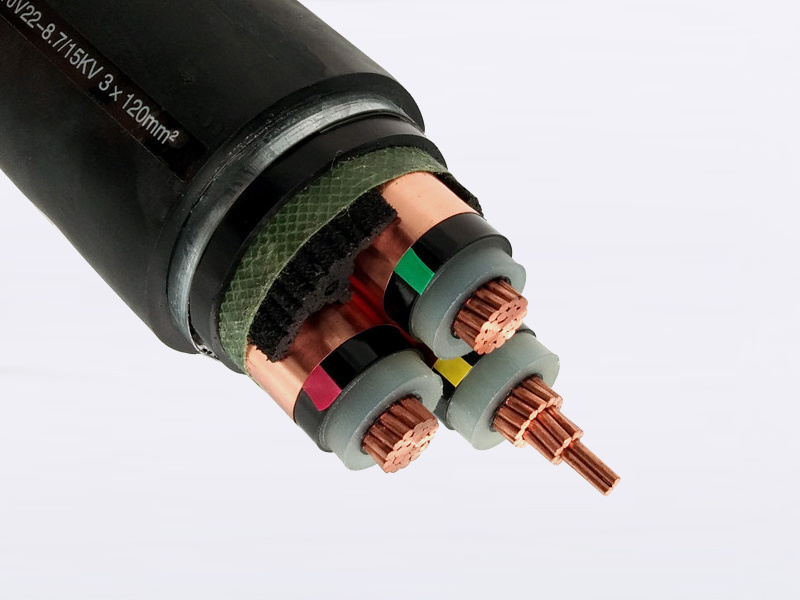
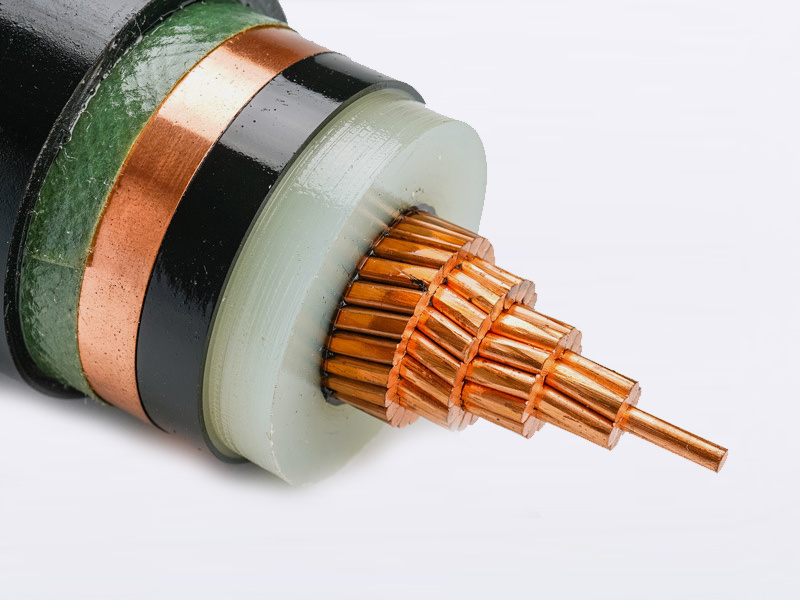
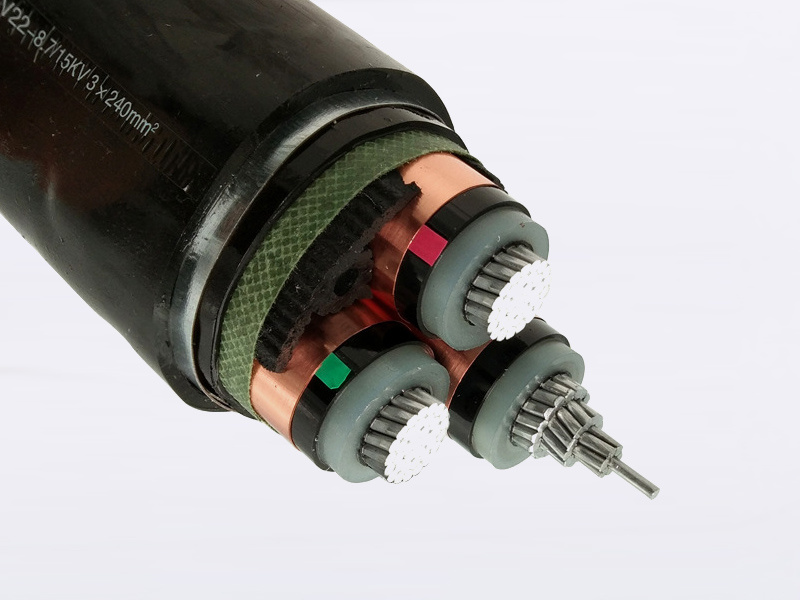
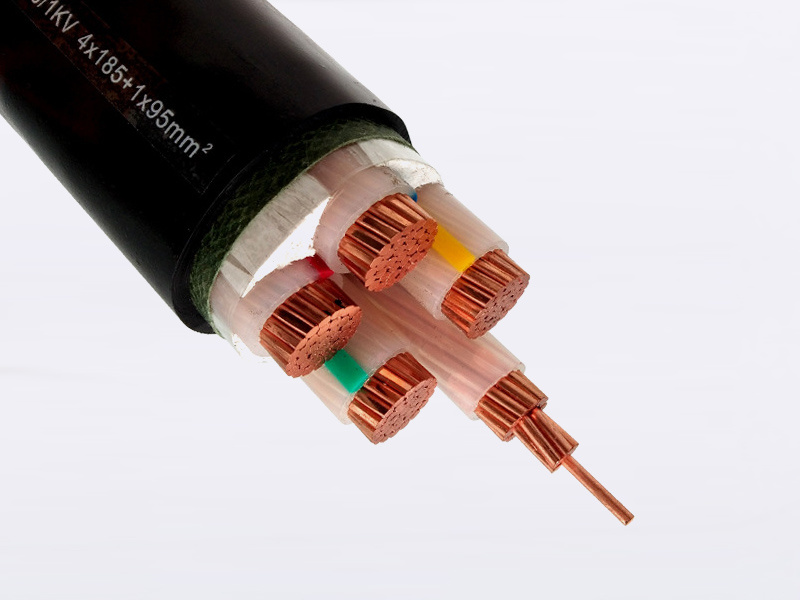
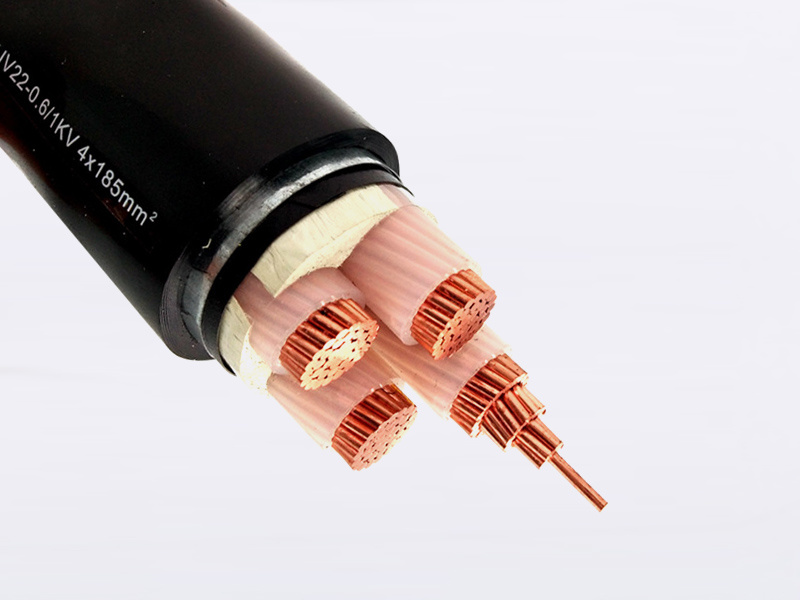

Power cables are used for transmitting and distributing electrical energy. They are commonly employed in urban underground power grids, as outgoing lines from power plants, and for internal power supply within industrial and mining enterprises. As cable products designed to transmit and distribute high‑power electricity along the main transmission lines of power systems, power cables encompass a wide range of voltage levels—from 1 kV up to 500 kV and beyond—along with various insulation types.

Power cables are used for transmitting and distributing electrical energy. They are commonly employed in urban underground power grids, outgoing lines from power plants, and internal power supply systems in industrial and mining enterprises. As cable products designed to transmit and distribute high‑power electricity along the main transmission lines of power systems, they encompass a wide range of voltage levels—from 1 kV up to 500 kV and above—along with various insulation types.

Power cables are used for transmitting and distributing electrical energy. They are commonly employed in urban underground power grids, outgoing lines from power plants, and internal power supply systems in industrial and mining enterprises. As cable products designed to transmit and distribute high‑power electricity along the main transmission lines of power systems, power cables encompass a wide range of voltage levels—from 1 kV to 500 kV and above—along with various insulation types.


Contact Us
Ready to get in touch?
Let us walk you through our products in greater detail.
We welcome factory visits anytime.


