Hi

Contact us for more discounted prices!

Request Quote

Fill in your phone and email information, and we will contact you promptly within one business day to resolve the issue you raised as soon as possible.

SUBMIT

Back to Application

Application: Communications

2025-09-28
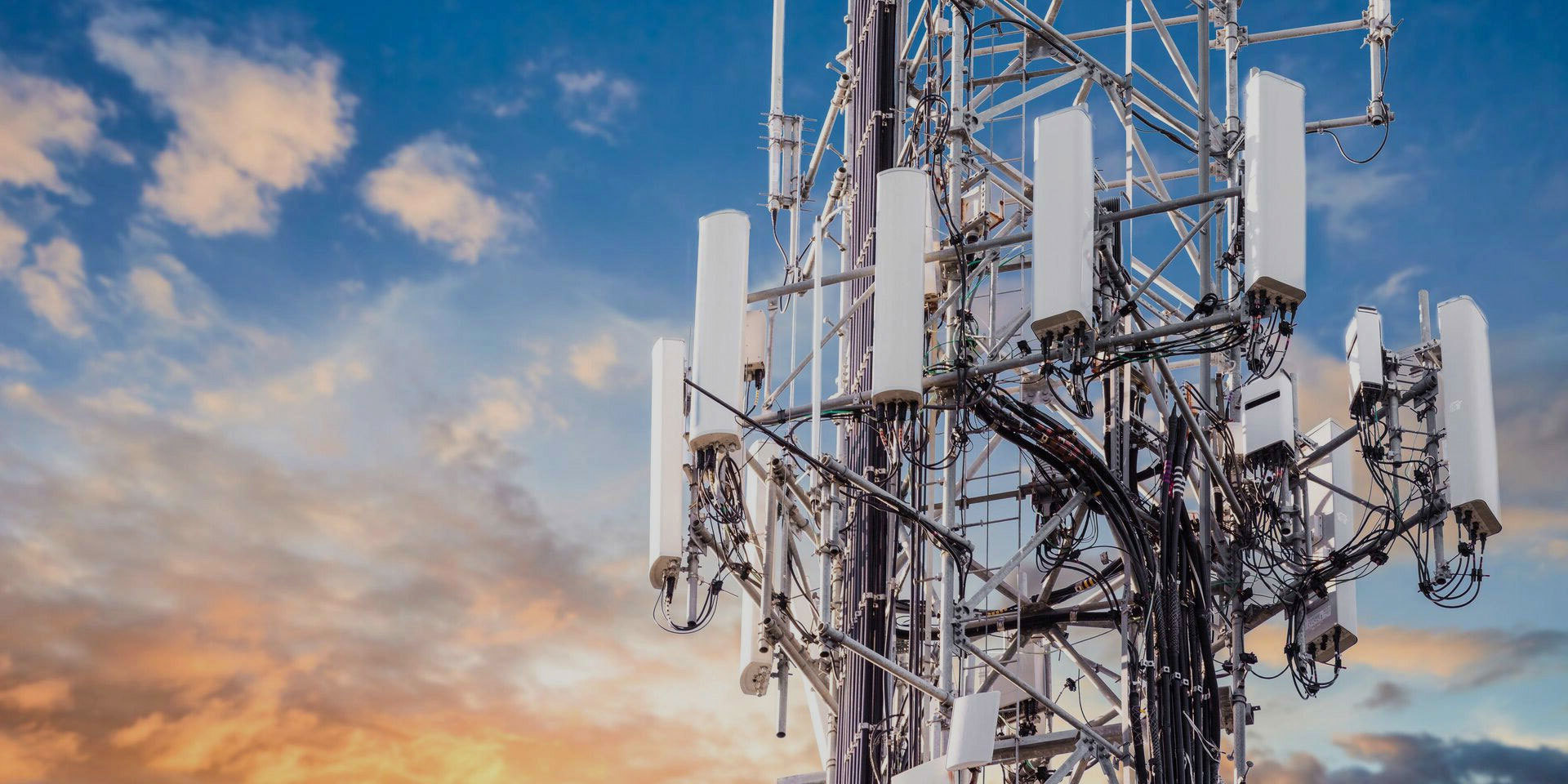
Control cables play a critical role in the communications field. They are used to transmit control signals, ensuring the stable operation of various devices and systems—whether in industrial automation production lines, smart transportation systems, or building automation. These cables act as the vital link, enabling the seamless transfer of essential information while effectively resisting external environmental interference. This not only guarantees reliable signal transmission but also enhances the overall performance and efficiency of communication systems. As communication technologies continue to evolve, control cables are undergoing constant innovation in terms of materials, manufacturing processes, and design, keeping pace with the growing demand for faster, more intelligent communication solutions. In short, control cables are indispensable in the communications industry, providing robust support that drives the advancement of modern communication systems.
Communications

Control cables occupy a pivotal position in the modern communications industry and related control systems. Their core function is to transmit various control commands and feedback signals, which serves as the fundamental guarantee for the steady and orderly operation of a wide range of equipment and integrated systems.

These cables are widely deployed across multiple key sectors. In industrial automation production lines, they connect mechanical units, sensors and control terminals to realize precise program execution and coordinated operation. In intelligent transportation networks, they support signal interaction between monitoring devices and control centers to maintain normal traffic operation. They also play an important part in building automation systems, managing electromechanical equipment, safety monitoring and intelligent control modules throughout buildings.

Acting as an essential information bridge, control cables enable the smooth and uninterrupted delivery of all kinds of core data and control instructions. Designed with excellent anti-interference performance, they can effectively shield against electromagnetic disturbance, mechanical vibration and other adverse factors from the external environment. This outstanding capability not only keeps signal transmission accurate and reliable at all times, but also optimizes the overall running state of communication and control systems. Ultimately, it helps lift the operational performance, response speed and working efficiency of the entire system to a higher level.

More Application

New energy

With the rapid growth of new energy sources like solar and wind power, photovoltaic (PV) cables have become a critical link connecting PV modules. These cables are essential for linking solar panels to inverters, ensuring smooth and efficient electricity transmission. Additionally, PV cables are widely used in wind energy systems for motor control and monitoring, helping to maintain the stable operation of wind turbines. In short, thanks to their efficiency, safety, and reliability, PV cables play an indispensable role in the renewable energy sector, providing robust support for the advancement of green energy initiatives.

Transmission

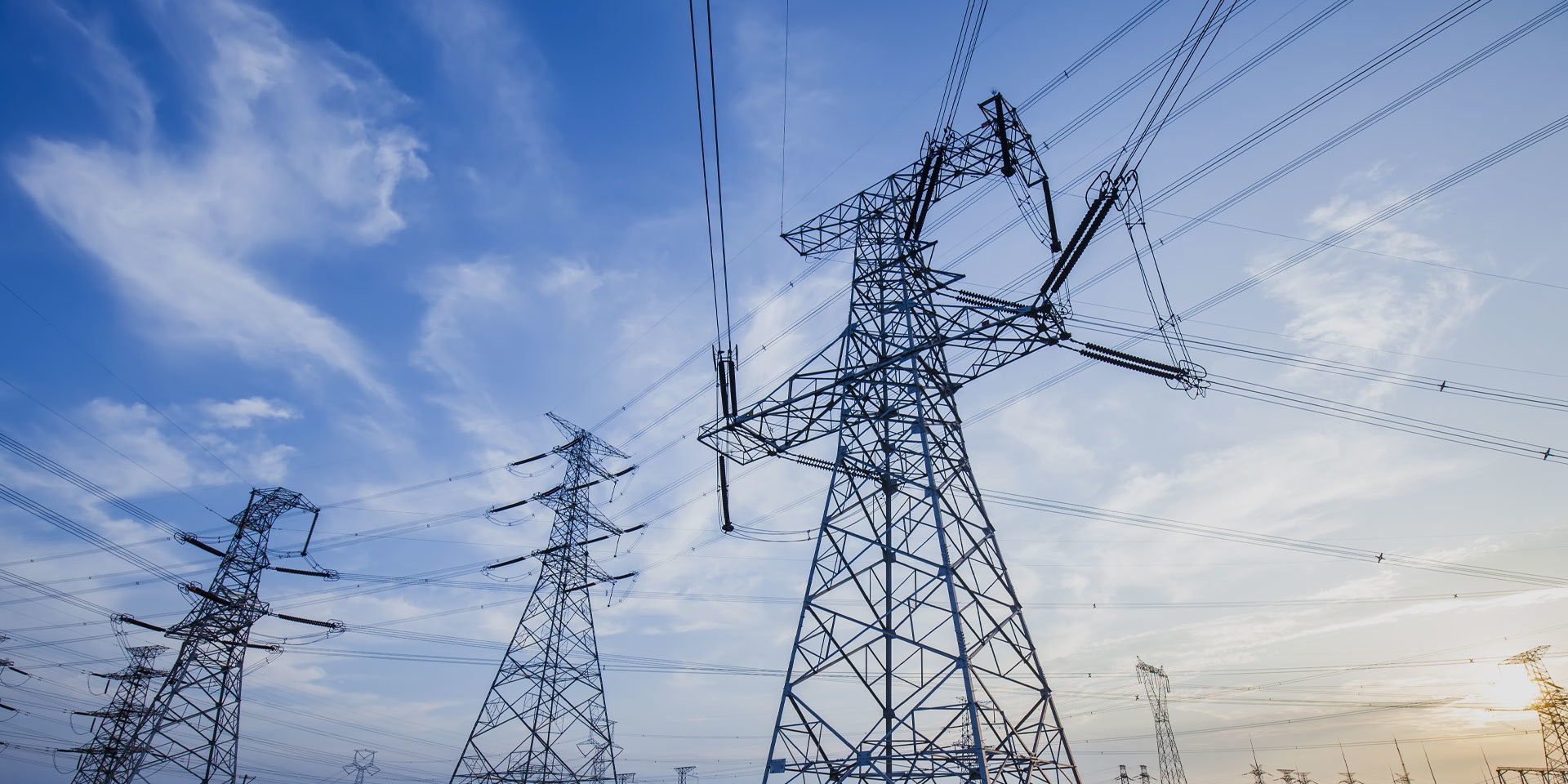
Power cables are widely used in the transmission and distribution sector. They play a crucial role in carrying and distributing high-current electrical energy, ensuring the stable operation of power systems. Known for their exceptional reliability and durability, power cables can withstand diverse environmental conditions—such as extreme heat, cold, and humidity. Moreover, their advanced insulation materials and robust jacket designs effectively minimize energy losses and electromagnetic interference. In urban development projects, power cables are also integral to underground grid systems, as well as city light rail and subway networks, helping to maintain uninterrupted and safe electricity supply across cities. In short, power cables are an indispensable component of modern power infrastructure, serving vital roles in industrial, commercial, and residential power consumption alike.

Rail Transit

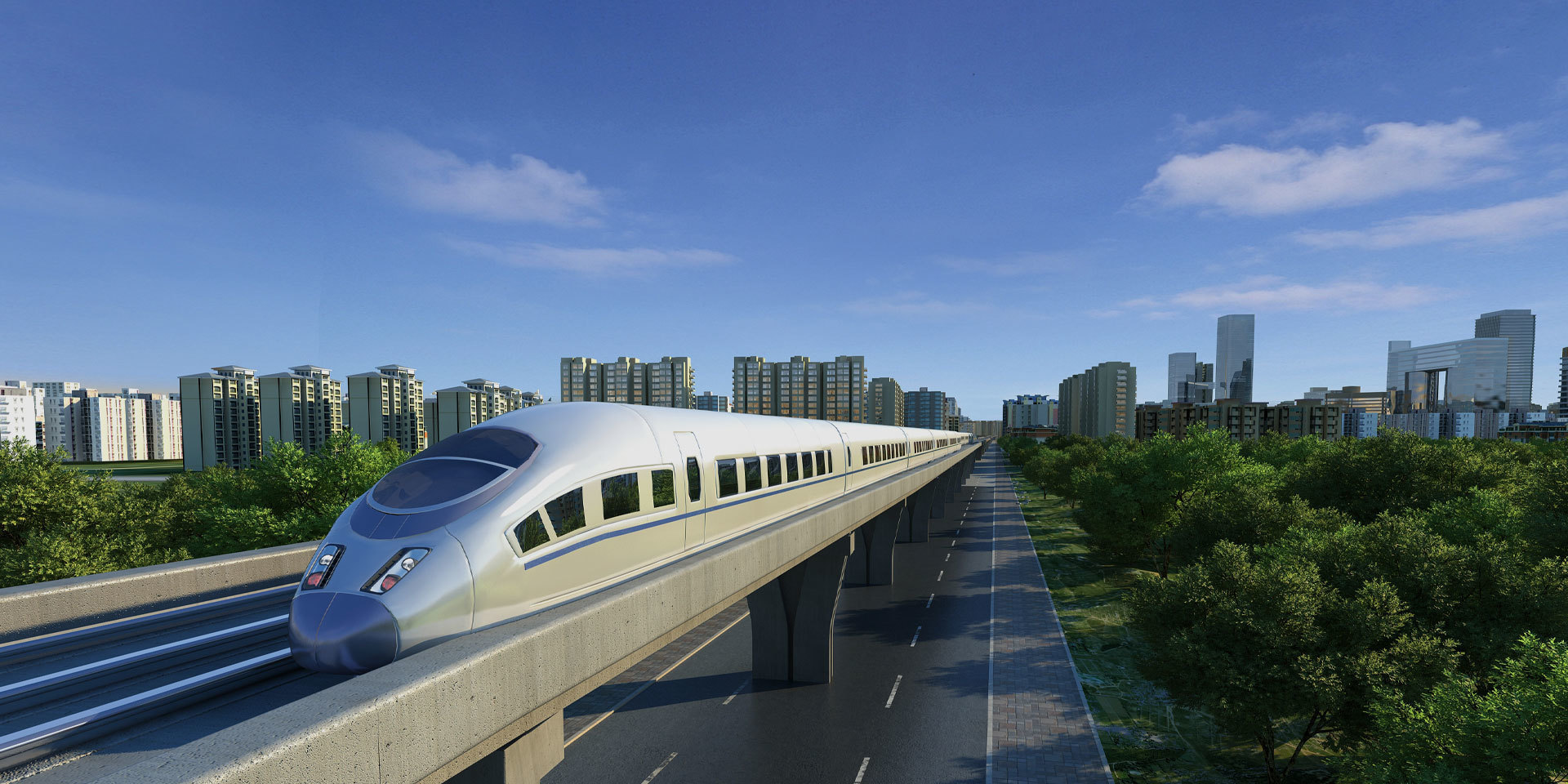
Power cables are widely used in the rail transit sector. As a critical component of the rail transit power system, they are responsible for transmitting electrical energy, providing a stable and reliable power supply to keep trains running smoothly. In the construction of subways, light rails, and other rail transit systems, power cables play essential roles in areas such as train traction power supply, lighting, ventilation, and signaling. Capable of carrying high currents while enduring heavy loads and challenging environmental conditions, these cables must exhibit exceptional conductivity, insulation properties, resistance to aging, and superior safety performance. Consequently, the rail transit industry relies heavily on high-quality power cables, as their reliability and performance directly impact the operational safety and efficiency of rail transportation systems.

Airport

Electrical wires and cables play a critical role in airport construction. Whether it’s the terminal building, runways, or air traffic management systems, none can function without the support of these essential components. They are responsible for transmitting both electricity and vital signals, ensuring the seamless operation of airport facilities. For instance, cables power the airport’s lighting, air conditioning systems, and electronic equipment, while wires carry crucial communication signals—such as flight information and surveillance data. That’s why selecting high-quality wires and cables during airport construction is absolutely vital, as it directly impacts the safety and efficiency of airport operations. In short, electrical wires and cables are widely used in airport development and remain an indispensable component in building modern, state-of-the-art aviation hubs.

< 12 >